Career Journey

A timeline of Lionel Messi's remarkable career

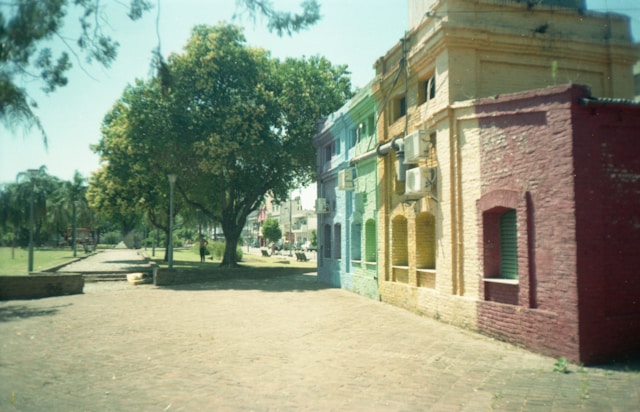
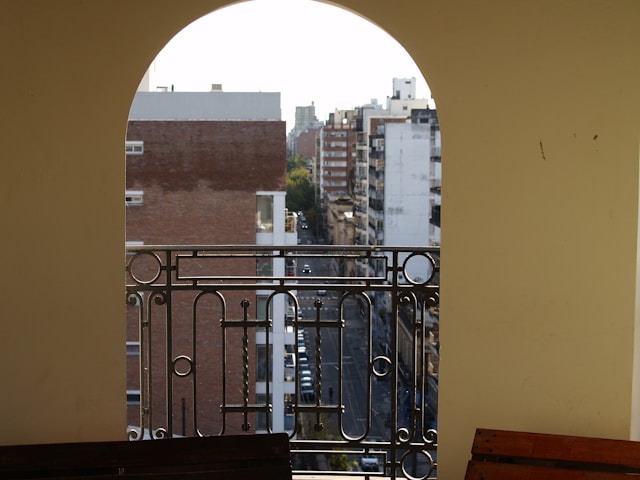
Rosario city panorama.

Rosario — Origins

1987–2000·Rosario, Santa Fe, Argentina

Lionel Messi was born and raised in Rosario, Argentina. Football quickly became central to his life, played daily in local neighborhoods and youth teams. Despite his extraordinary talent, he faced a major obstacle early on with a growth hormone deficiency, a challenge that threatened his ability to continue playing at an elite level.

  • Hometown: Rosario
  • Early neighborhood football
Estadio Marcelo Bielsa, Rosario.

Newell’s Old Boys — Early promise

1994–2000·Rosario, Argentina

At Newell’s Old Boys, Messi’s talent became unmistakable. He dominated youth competitions, scoring freely and displaying rare close control and vision. Financial limitations at the club made it impossible to support his medical treatment, leading to a pivotal decision that would change his life.

  • Youth club: Newell’s Old Boys
  • Elite youth performances
La Masia training complex, Barcelona.

FC Barcelona — La Masia

2000–2003·Barcelona, Spain

Messi moved to Barcelona as a teenager, leaving his family and country behind. At La Masia, he adapted to a possession-based philosophy that emphasized intelligence, technique, and teamwork. Barcelona’s decision to support his medical treatment allowed his development to continue uninterrupted.

  • La Masia academy
  • Technical and tactical foundation
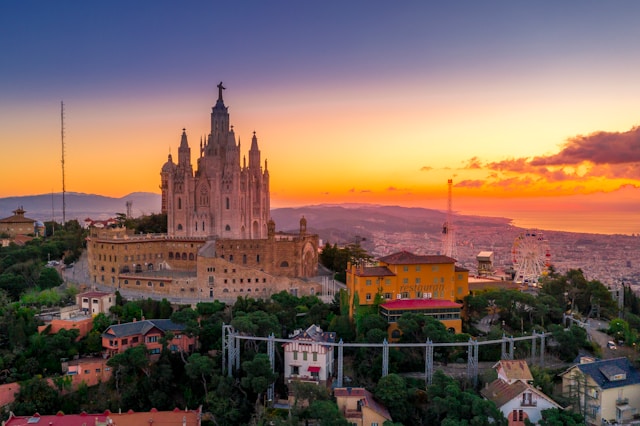
Beautiful view of Barcelona.

FC Barcelona — First team breakthrough

2004–2008·Barcelona, Spain

Messi’s first-team debut introduced a player with rare balance, creativity, and composure. Gradually earning trust at the highest level, he evolved from a promising talent into a key contributor, capable of deciding matches through individual brilliance.

  • First-team debut
  • Rapid rise
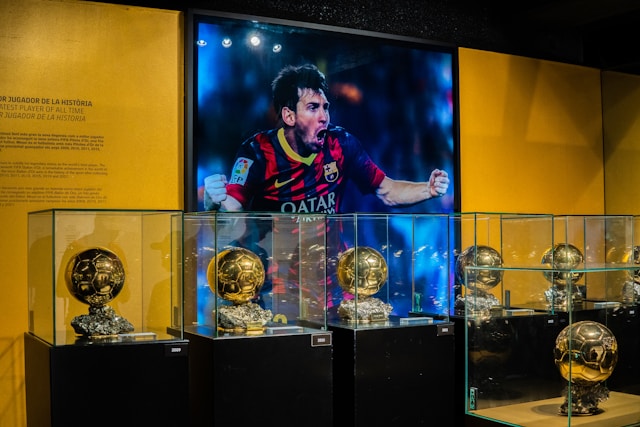
Messi with his trophies.

FC Barcelona — Golden era

2008–2015·Barcelona, Spain

This era represented the height of Messi’s dominance. As the centerpiece of Barcelona’s attack, he produced unprecedented goal numbers while maintaining elite playmaking output. His consistency, efficiency, and influence redefined what was possible for an attacking player.

  • Peak output
  • Era-defining performances
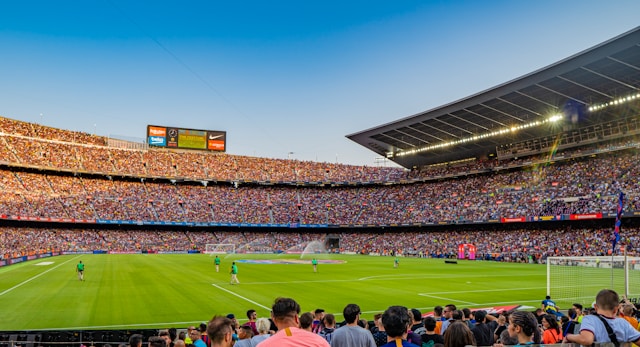
Camp Nou at night.

FC Barcelona — Leadership era

2015–2021·Barcelona, Spain

As Barcelona changed, Messi assumed greater responsibility both creatively and emotionally. Dropping deeper and orchestrating play, he remained decisive despite increasing instability around him. His departure marked the end of an era for the club.

  • Captaincy
  • Playmaker evolution
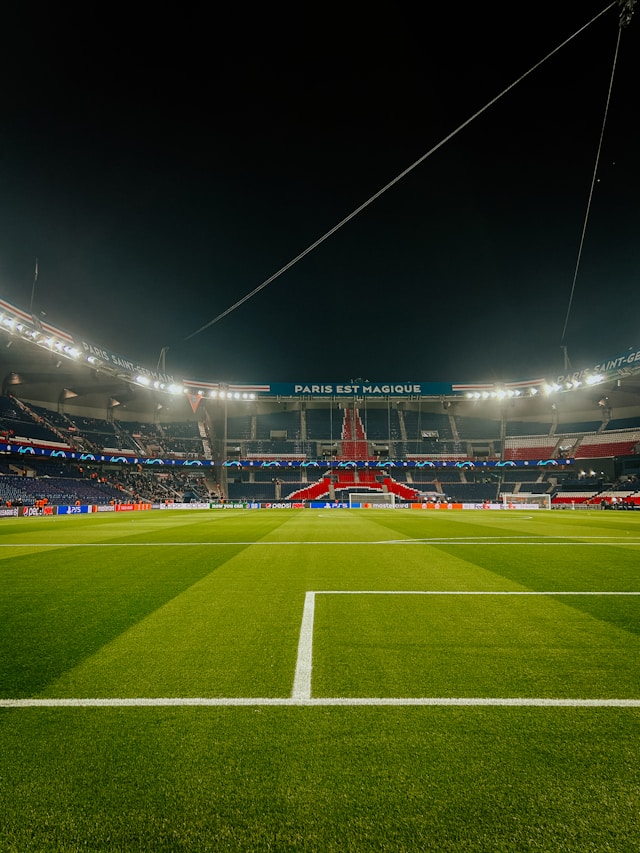
Parc des Princes stadium, Paris.

Paris Saint-Germain — Transition

2021–2023·Paris, France

Messi’s move to PSG was his first professional experience outside Barcelona. After an initial adaptation period, he became a central creative force in his second season. This chapter was defined more by adjustment than peak dominance.

  • New environment
  • Creative role
DRV PNK Stadium, Fort Lauderdale.

Inter Miami — New frontier

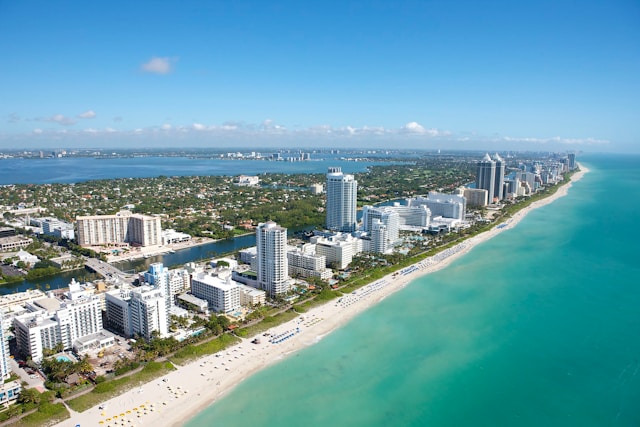
2023–present·Fort Lauderdale, Florida, USA

Messi’s move to Inter Miami signaled a shift toward legacy and influence. His arrival transformed the club’s global profile and raised competitive standards across the league, while his footballing intelligence continues to define his play.

  • MLS era
  • Global impact

Images from Unsplash.

We use cookies to analyze site usage and improve your experience. By clicking "Accept", you consent to our use of cookies for analytics purposes.